
Skip to content
Khidkiji Slides India

Stainless Steel Fabrication

Stainless steel is what you specify when the metal is exposed, visible and expected to stay that way. In coastal Mumbai the decision that matters is grade: the common 304 is not always enough, and using it where 316 belongs produces the rust staining stainless is supposed to prevent.

  • Manufacturing since 2007
  • 5,000+ windows installed
  • 219 corporate partners
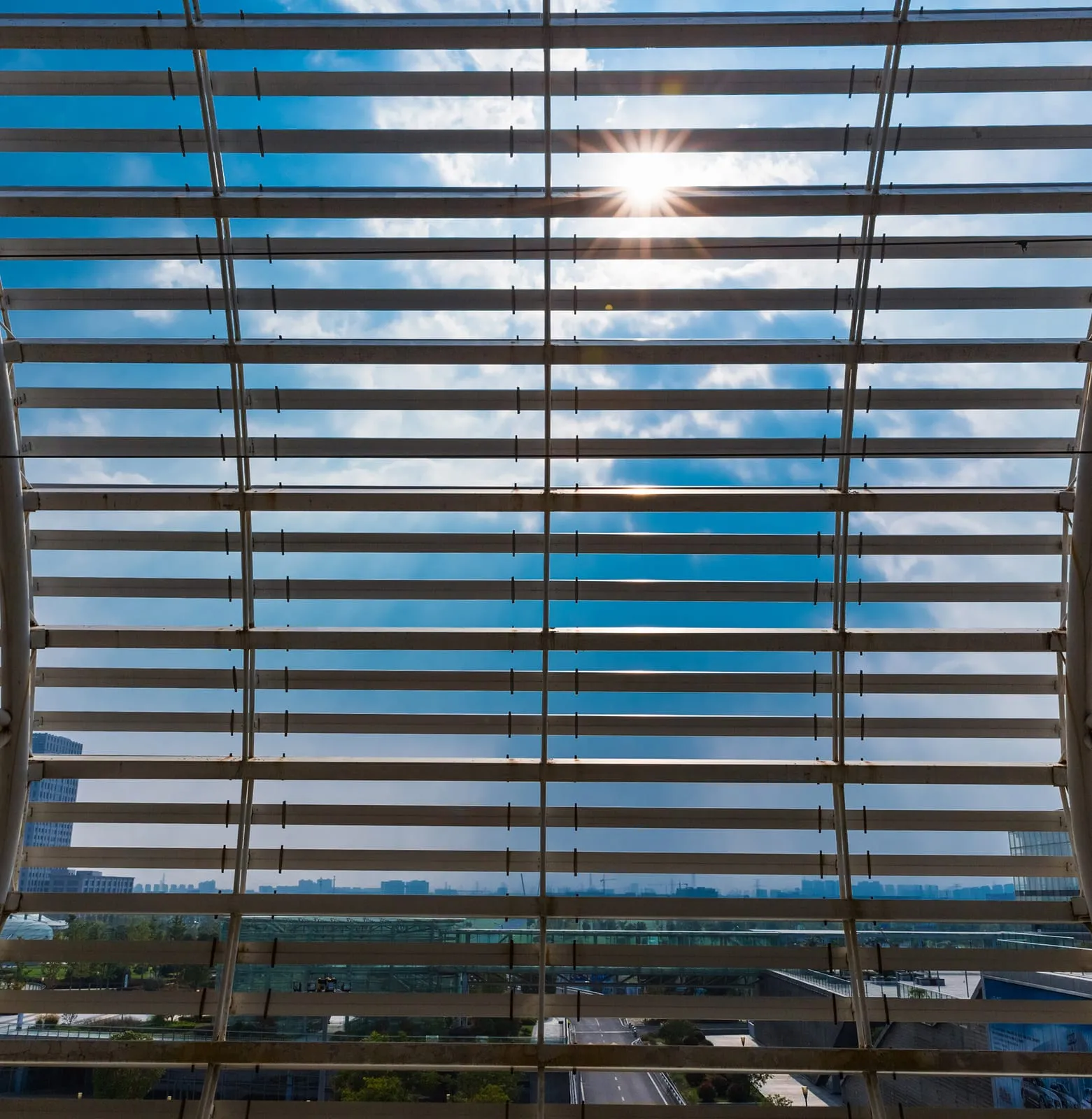
Grid of louvred sunshade blades photographed against the sun, sky visible between them

Get a quote in one working day

Three fields. No obligation.

Or call +91 80979 88888

Why stainless steel fabrication

Grade chosen for the exposure

316 where salt reaches it, 304 where it does not — the distinction that decides whether it stains.

The finish is the product

Brushed, satin, mirror and bead-blasted finishes applied consistently across an assembly.

No coating to maintain

Corrosion resistance is in the material, so there is nothing to repaint or re-galvanise over its life.

Architectural and structural work

Balustrade posts, handrails, cable systems and fixings, as well as structural members where exposure demands it.

Grade is the decision

Stainless steel resists corrosion because chromium forms a thin passive oxide layer that re-forms when damaged. What varies between grades is how well that layer holds up against chlorides — which is to say, against salt.

304. The common austenitic grade. Excellent in most environments, and perfectly adequate inland or internally.

316. Contains molybdenum, which substantially improves chloride resistance. This is the grade for coastal and seafront exposure, and in much of Mumbai it should be the default rather than the upgrade.

Specifying 304 where 316 belongs produces exactly the rust staining that stainless is supposed to eliminate — and once it appears on a balustrade or a cable system, it cannot be polished away permanently.

This is why every invisible grill cable and fitting we supply is specified for marine exposure rather than to a general standard.

The three ways stainless ends up rusting

Wrong grade for the exposure. As above. The most common cause.

Carbon steel contamination. If stainless is cut, ground or handled with tools that have been used on carbon steel, particles embed in the surface and rust there. It looks like the stainless has failed; it has not. This is why stainless is fabricated with dedicated tooling.

Mixed fixings. A 316 member bolted with a lower-grade fastener will show rust at every bolt. The fixings are part of the specification, not an afterthought.

Finishes

Brushed / satin. A directional grain, the standard architectural finish. Hides marks well and is easy to match.

Mirror polish. Reflective. Beautiful and unforgiving — every fingerprint and scratch shows.

Bead-blasted. Matt and uniform, with no direction. Good where members meet at angles and a grain direction would be awkward.

Consistency matters more than the choice. A single member finished differently from its neighbours is immediately visible, so a whole assembly is finished together.

Where we use it

Glass railing hardware. Standoffs, clamps, posts and handrails — exposed, handled, and directly in the salt.

Invisible grill cable and fittings. Where grade choice most directly determines service life.

Architectural metalwork. Handrails, entrance features, signage frames, and trim.

Structural members where exposure rules out protected carbon steel and the cost is justified.

For most structural work, steel with proper protection is the economical answer, and aluminium covers the light, corrosion-resistant middle ground. See the full structural fabrication range.

Common questions

What is the difference between 304 and 316 stainless steel?

316 contains molybdenum, which gives it substantially better resistance to chlorides — salt. In coastal and seafront Mumbai, 304 can develop surface rust staining within a few years while 316 stays clean. For anything exposed to sea air, 316 is the sensible minimum.

Why does my stainless steel railing have rust spots?

Usually one of three causes: the grade was 304 in a location that needed 316; the surface was contaminated by carbon steel during fabrication or installation; or a fixing of a lower grade was used with a higher-grade member. All three are avoidable at specification and fabrication stage.

Does stainless steel need maintenance?

It needs cleaning rather than maintenance. Washing off salt deposits periodically keeps the passive layer working — on a seafront elevation that matters more than people expect. There is no coating to renew, which is the main practical advantage over protected carbon steel.

What stainless finishes are available?

Brushed and satin finishes for most architectural work, mirror polish where a reflective surface is wanted, and bead-blasted for a matt uniform appearance. The finish has to be applied consistently across an assembly, because a mismatched member is very visible.

Is stainless steel used structurally or only for finishes?

Both. It is commonly architectural — balustrades, handrails, cable systems, fixings — but it is also used structurally where exposure rules out protected carbon steel. It costs considerably more, so it is specified where its properties are genuinely needed.

Related

Get a quote for stainless steel fabrication

  • Manufacturing since 2007
  • 5,000+ windows installed
  • 219 corporate partners
Call nowWhatsApp