
Skip to content
Khidkiji Slides India

Steel Fabrication

Steel is the default structural material because nothing matches it for strength per rupee. The whole question in Mumbai is protection: unprotected steel in coastal air has a short and visible life, and the coating specification matters as much as the section size.

  • Manufacturing since 2007
  • 5,000+ windows installed
  • 219 corporate partners
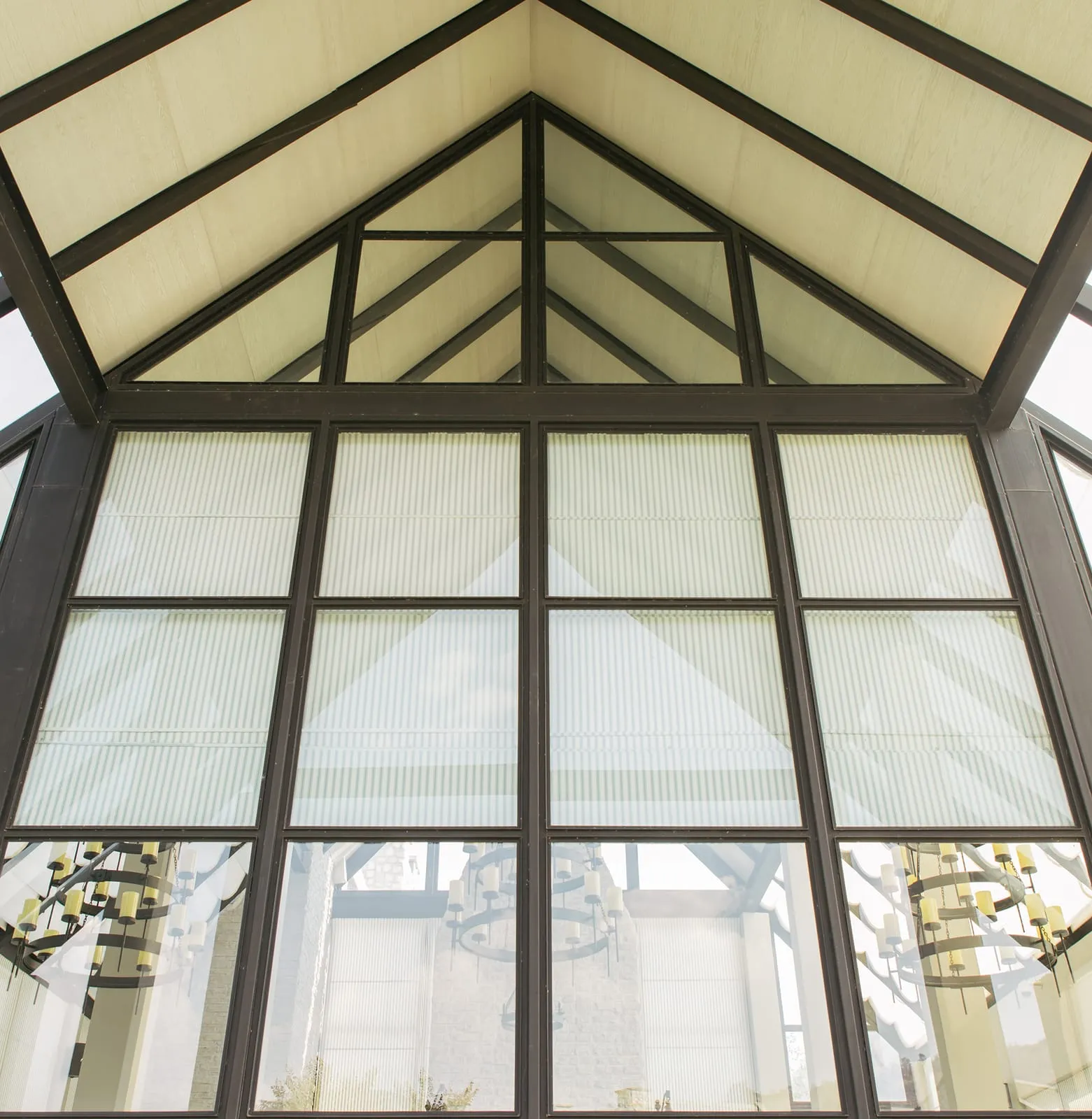
Gabled steel and polycarbonate canopy structure seen from inside, frame members exposed

Get a quote in one working day

Three fields. No obligation.

Or call +91 80979 88888

Why steel fabrication

Sections sized to the load

Members and connections worked out from the design loads rather than scaled from a similar previous job.

Protection matched to exposure

Galvanising, metallising or a paint system specified for how coastal and how wet the location really is.

Shop-applied finishes

Coatings applied in controlled conditions, which outlast the same specification brushed on at a damp site.

Welded and bolted as appropriate

Welded sub-assemblies in the workshop, bolted connections on site — chosen for transport and erection, not habit.

Why steel

Strength per rupee and per kilogram, in sections that are widely available, predictable in behaviour and straightforward to connect. It can be welded, bolted, cut and modified, and a competent workshop can do all of it.

For canopies, support frames, mezzanines, industrial buildings and the secondary steel that façades and glazing hang from, it is almost always the right answer.

Protection is the whole conversation here

Steel corrodes. In coastal Mumbai it corrodes quickly, continuously, and from every cut edge and fixing.

Hot-dip galvanising. Immersion in molten zinc gives a metallurgically bonded coating that protects sacrificially — even at a scratch. The workhorse specification.

Metallising. Thermally sprayed zinc or aluminium, used for very severe exposure or for members too large for a galvanising bath.

Paint systems. Specified by exposure category — primer, intermediate and topcoat, with the film thickness stated and measured. On its own, adequate for sheltered internal work; over galvanising, excellent for seafront exposure.

The common and costly mistake is specifying a warehouse’s protection for a seafront canopy. Exposure category has to be established honestly at the start.

Cut edges and details

Corrosion starts where the coating is thinnest or broken:

Good detailing avoids traps, keeps fabrication ahead of coating wherever possible, and isolates dissimilar metals. Those decisions matter more to service life than the grade of steel does.

Connections

Welded. Stiff, continuous, and visually clean. Done in the workshop under controlled conditions.

Bolted. Allows transport in sections, erection in sequence, and dismantling later. Site connections are usually bolted for exactly these reasons.

Where it goes

Entrance canopies and porte-cochères, support structures for glazed roofs and structural glazing, mezzanine floors, plant screening frames, balustrade support, and pre-engineered buildings.

Where the finish is the product and it will be seen and touched, stainless steel is usually specified instead.

Common questions

How long does structural steel last in Mumbai?

It depends entirely on the protection, not on the steel. Properly galvanised or metallised steel lasts decades with maintenance. The same steel with a thin paint coat applied on a damp site can show corrosion within a couple of monsoons, particularly near the coast.

What is the best corrosion protection for coastal locations?

Hot-dip galvanising for most work, and metallising or a high-performance paint system over galvanising for severe seafront exposure. The right answer depends on the exposure category, and specifying a shed's protection for a seafront canopy is a common and expensive mistake.

Should connections be welded or bolted?

Welded gives stiffer, cleaner connections and is done in the workshop. Bolted allows transport in pieces, erection in sequence and later dismantling. Most structures use welded sub-assemblies with bolted site connections — see [welded](/products/structural-fabrication/welded/) and [bolted](/products/structural-fabrication/bolted/) fabrication.

Can you work from a consultant's drawings?

Yes, that is the normal arrangement. We produce shop drawings from the design drawings, resolving every connection and cut length — see [steel detailing](/products/structural-fabrication/steel-detailing/). Where no engineer has been involved, we say so rather than fabricating an undesigned structure.

What lead time does steel fabrication need?

Detailing and approval usually take longer than fabrication itself, and galvanising adds a fixed period because it happens off-site in batches. We give a programme after detailing rather than an optimistic figure before it.

Related

Get a quote for steel fabrication

  • Manufacturing since 2007
  • 5,000+ windows installed
  • 219 corporate partners
Call nowWhatsApp