
Skip to content
Khidkiji Slides India

Designer Windows Shutter

Shutters do something blinds and curtains cannot: they control light and privacy with a solid, adjustable element that is part of the window rather than hung in front of it. This page covers the styles we make, the materials worth using in Mumbai, and where each one suits.

  • Manufacturing since 2007
  • 5,000+ windows installed
  • 219 corporate partners
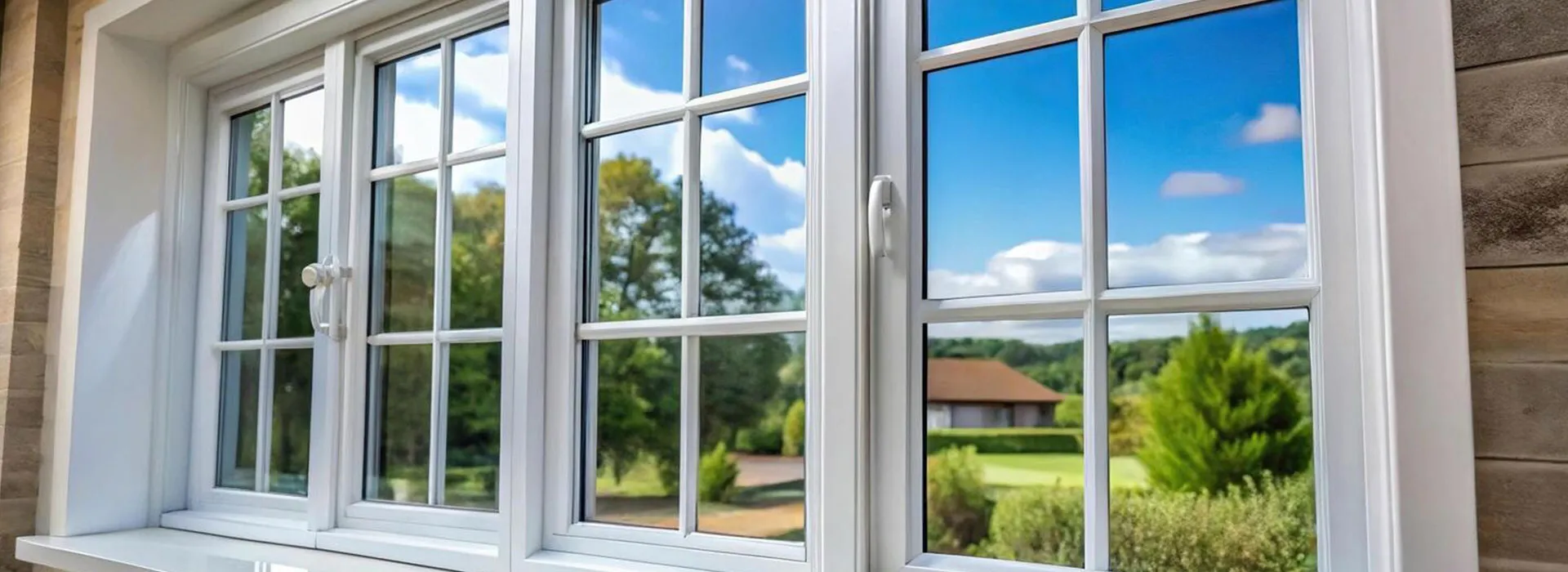
Bright room with white-framed windows along one wall looking out over a sunlit garden

Get a quote in one working day

Three fields. No obligation.

Or call +91 80979 88888

Why designer windows shutter

Light and privacy, separately

Adjustable louvres let you keep daylight while closing the sightline — something a curtain cannot do.

Materials suited to coastal air

uPVC, aluminium and composite options that do not swell, rot or corrode the way timber shutters do here.

Made to the window, not the wall

Shutter panels sized and hung to the actual opening, so they sit flush and close cleanly.

Hardware you can service

Hinges, tilt rods and catches specified so worn parts can be replaced rather than the panel discarded.

What a shutter gives you that a curtain does not

Separate control of light and sightline. Angled louvres let daylight in while closing the view from outside. A curtain is open or closed.

Heat blocked before the glass. An external or in-reveal shutter intercepts radiant heat before it reaches the pane, which is more effective than an internal blind absorbing it after the fact.

A solid element. Shutters read as part of the building rather than as soft furnishing, which is why they suit a window you want to be a feature.

Longevity. A well-made shutter outlasts several sets of blinds.

Styles

Full-height louvred. One panel per opening, louvres adjustable across the whole height. The classic look, and the simplest to operate.

Tier-on-tier. Upper and lower panels operating independently, so you can close the bottom for privacy and leave the top open for light. Ideal on a street-facing ground-floor window.

Café style. Shutters covering only the lower part of the window. Privacy at eye level, daylight above.

Solid panel. No louvres — a solid panel that closes fully. Best for blackout in a bedroom, and for security-minded external shutters.

Sliding and bi-fold panels. For wide openings where hinged panels would need too much swing space, or for use as a room divider.

Materials, for this climate

uPVC. Stable in humidity, does not rot or corrode, low maintenance, available in woodgrain foils. The practical default.

Aluminium. Slimmer sections and a more contemporary line; the right choice for external shutters and for large panels.

Composite. An engineered core with a painted or foiled finish. Looks closest to painted timber and behaves much better in monsoon.

Timber. Beautiful and troublesome here — swelling, warping, and a finish that needs regular attention. We will make it if the look demands it, but we will tell you what it involves. The maintenance is essentially that of a wooden window.

Fitting and reveal depth

A shutter needs somewhere to sit and somewhere to go when opened.

Recessed fit sets the frame inside the reveal, so the shutter sits flush with the wall. Neatest, and needs adequate reveal depth.

Face fit mounts the frame on the wall around the opening, projecting into the room. Works where the reveal is shallow, at the cost of a deeper profile.

We measure the reveal at survey, because this decides the look more than the style does.

Shutters as window sashes

In Indian usage, “shutter” also means the moving leaf of a window. If you are looking for repairs to a sash that has dropped or sticks, that is window shutter repair rather than this page.

For finishes and colours see colour options; for hinges, catches and tilt hardware see window accessories.

Common questions

What is the difference between designer shutters and ordinary blinds?

A shutter is a solid, hinged or sliding panel fixed to the window, usually with adjustable louvres. A blind hangs in front of the opening and stacks when raised. Shutters give better light control and privacy, add insulation, and last much longer, but cost more and have to be made to the opening.

What material is best for shutters in Mumbai?

uPVC, aluminium or composite. Natural timber shutters look beautiful and behave badly in this climate — they swell in monsoon humidity and the finish breaks down under UV. If timber is essential for the look, a composite or foiled woodgrain gets the appearance without the maintenance.

Can shutters be fitted to any window?

Most, but the reveal depth matters. A shutter needs somewhere to sit and somewhere to swing or slide to. Shallow reveals need face-fixed frames, which project into the room; deep reveals allow a recessed fit that looks far neater. We check at survey.

Do shutters help with heat and noise?

With heat, yes — a closed shutter over a sun-facing window blocks radiant gain before it reaches the glass, which is more effective than an internal blind. With noise, only marginally; that is a glass and seal problem. See [soundproof windows](/products/soundproof-windows/).

How do you clean and maintain shutters?

Wipe the louvres and check the tilt mechanism and hinges occasionally. uPVC and aluminium need no refinishing. The wear points are the hinges and the tilt rod, both of which should be replaceable rather than integral to the panel.

Related

Get a quote for designer windows shutter

  • Manufacturing since 2007
  • 5,000+ windows installed
  • 219 corporate partners
Call nowWhatsApp