
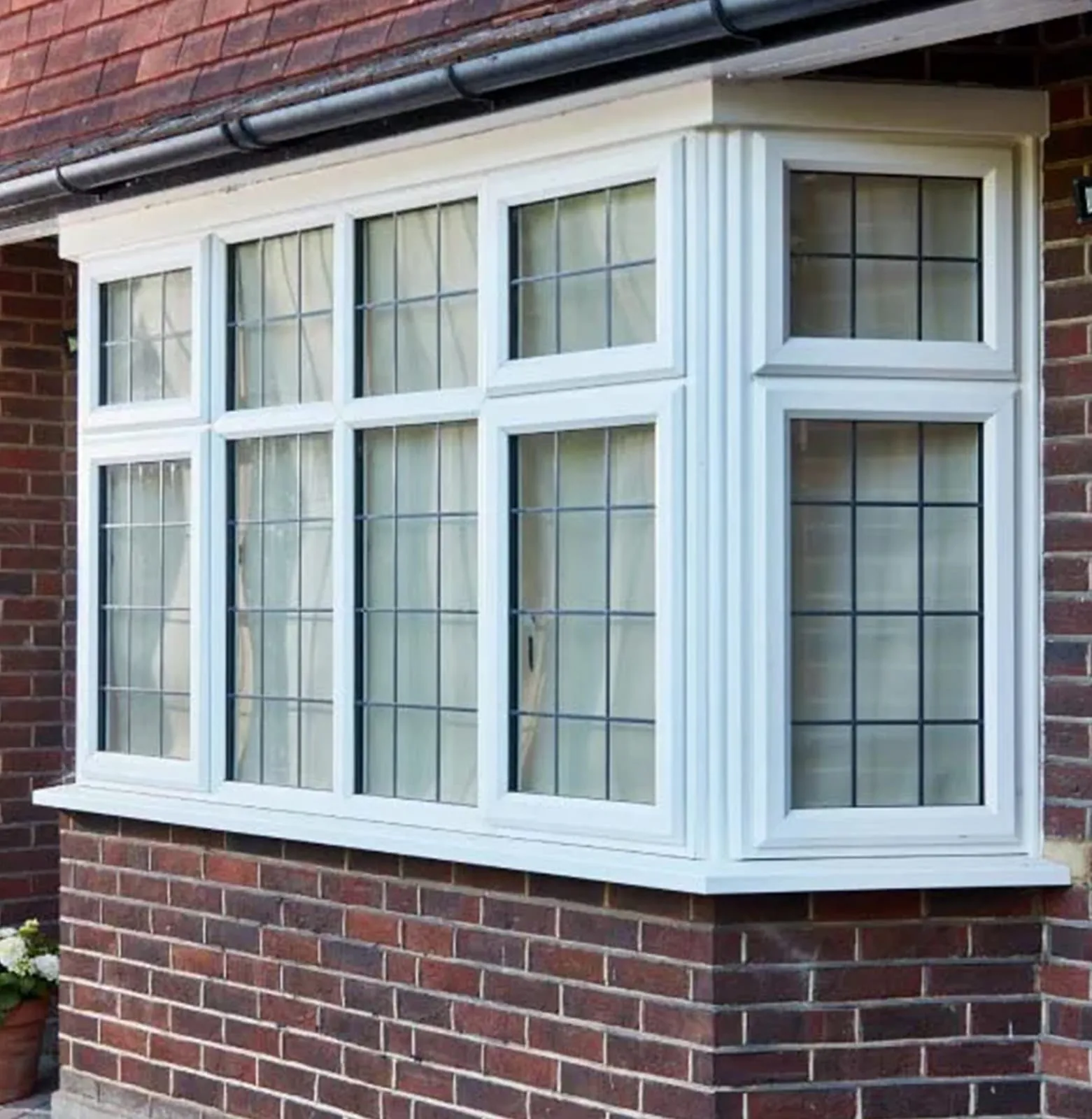
What the third pane adds
A triple unit is three panes with two sealed cavities. Against a double unit, that buys you:
- lower conducted heat transfer, because there are two insulating cavities in series
- a second acoustic barrier, provided the pane thicknesses differ
- a warmer inner surface, so less condensation in humid weather
And it costs you:
- weight, about half as much again as an equivalent double unit
- thickness, which the frame has to be designed to accept
- a little light transmission, since every pane and coating absorbs some
- money, both for the glass and for the heavier frame and hardware around it
Where it is genuinely the right answer
Acoustics as the governing requirement. A bedroom facing a flyover or a rail line, a recording or study space, a flat beside long-running construction. Here the second cavity does work that no coating on a double unit can replicate, and triple glazing is the correct specification.
Extreme solar exposure combined with a noise problem. A top-floor west-facing room on an arterial road, where you need both.
Projects specifying a particular performance figure. Where a design target has to be demonstrated rather than felt.
Where a double unit is the better buy
For most Mumbai flats, a double-glazed unit with a good solar-control or low-E coating and asymmetric pane thicknesses gets you most of the way at considerably lower cost and weight.
The reason is climatic. In cold countries the thermal case for triple glazing is about conducted heat loss through the glass, which a third pane addresses directly. Here, the dominant heat path is radiant solar gain, and that is addressed by the coating — which you can have on a double unit just as easily.
Spending the difference on a better coating and a laminated inner pane is usually the better decision.
The weight has to be designed in
This is the practical reason triple glazing cannot be retrofitted.
The unit is thicker than most existing rebates will take, and heavier than existing hinges, friction stays and rollers are rated for. Forcing it in produces dropped sashes and flat-spotted rollers within a year.
Done properly, the profile reinforcement, hinge rating and hardware are all selected for the finished unit weight from the start.
Deciding
Tell us what the room faces and what you can hear from it. If noise is the answer, triple glazing is worth pricing against soundproof windows and acoustic inserts. If heat is the answer, we will probably steer you to a coated double unit and a better coating — see glass options.