
Skip to content
Khidkiji Slides India

Asymmetrical Glazing

Asymmetrical glazing means a sealed unit whose two panes are deliberately different thicknesses. It sounds like a detail and it is the difference between double glazing that quietens a room and double glazing that disappoints — which is the most common complaint we hear about glazing upgrades.

  • Manufacturing since 2007
  • 5,000+ windows installed
  • 219 corporate partners
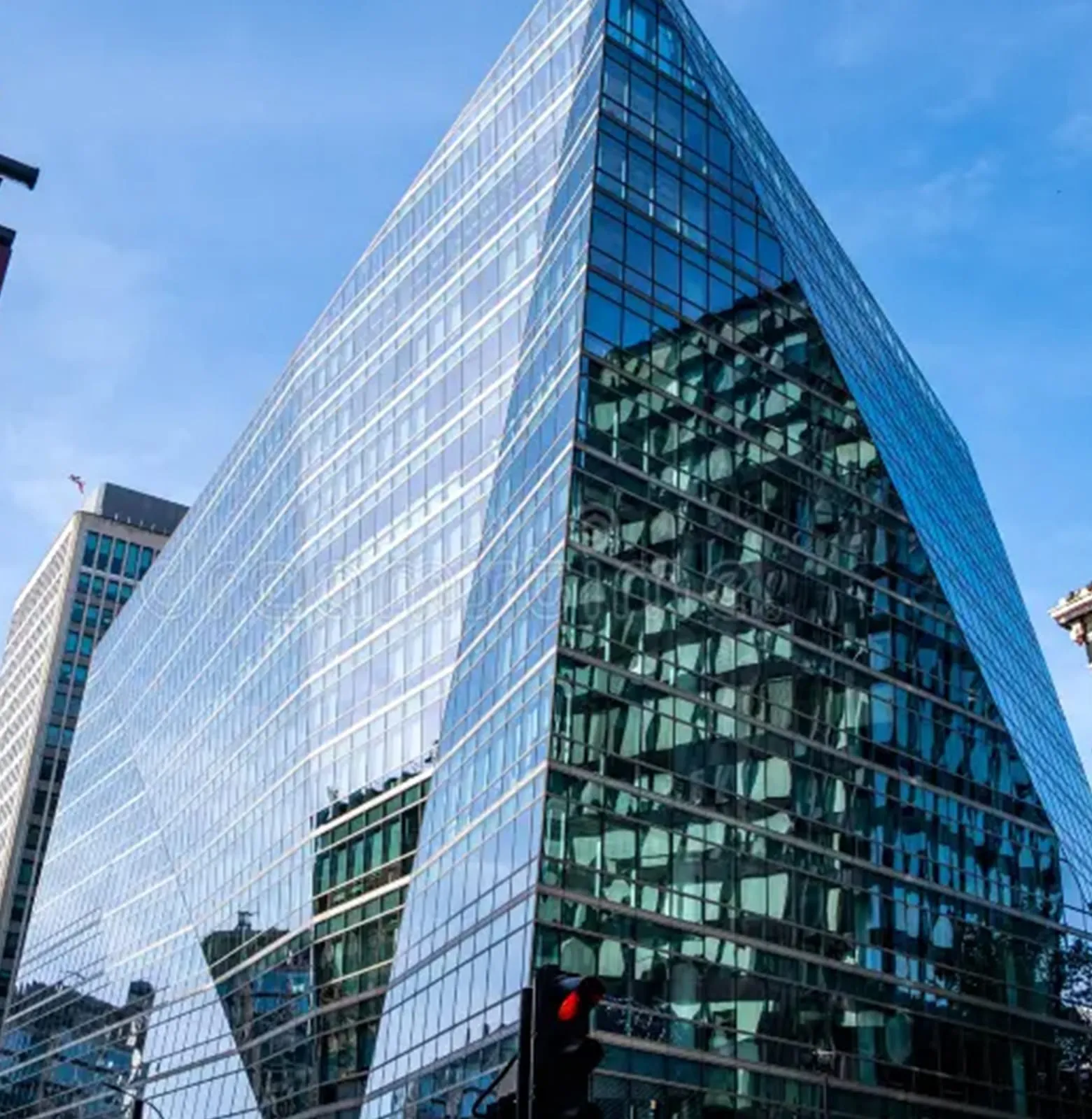
Corner of a dark glazed office block, its reflective panes meeting at a sharp vertical edge

Get a quote in one working day

Three fields. No obligation.

Or call +91 80979 88888

Why asymmetrical glazing

Breaks the resonance

Two identical panes vibrate together at a shared frequency. Making them different thicknesses stops that coupling.

Laminated inner leaf

The interlayer damps vibration, adding acoustic performance that glass thickness alone cannot buy.

Tuned to the noise source

Traffic, rail and aircraft noise peak at different frequencies, so the pane combination is chosen to suit.

No change in appearance

The unit looks identical to standard double glazing from either side — the performance is all in the build-up.

The problem it solves

Someone replaces single glazing with double glazing expecting the road to go quiet, and the improvement is smaller than expected. This is common, and it is not a fault in the installation.

A pane of glass has a frequency at which it resonates and passes sound efficiently — the coincidence frequency, set mainly by its thickness. When both panes in a sealed unit are the same thickness, they share that frequency. At that pitch the pair behaves almost as if the cavity were not there, and traffic noise happens to contain a great deal of energy there.

What asymmetry does

Make the panes different thicknesses and they no longer share a weak point. What passes easily through one is resisted by the other, and the unit’s performance flattens out across the frequency range instead of collapsing at one pitch.

A typical build is a thinner outer pane with a thicker laminated inner pane. The ratio matters more than the absolute figures — panes too close in thickness barely help.

The laminated leaf

The second half of the specification. A laminated pane has a viscoelastic interlayer between its plies that converts vibration into a small amount of heat rather than passing it on.

That damping is why a laminated pane outperforms a solid pane of the same weight, and it is why every serious acoustic unit we build has a laminated inner leaf. It also brings safety, security and UV blocking with it — see laminated glass windows.

Matching the build to the noise

Different sources peak at different frequencies:

The pane combination and the cavity width are chosen accordingly. This is why a useful conversation starts with what you can hear, not just that it is loud.

Where it fits among the options

Asymmetrical sealed units — new or replacement windows, looks like a normal window, good broad performance.

Secondary glazing — better on low frequencies because the air gap is far wider; the option when the existing window must stay.

Acoustic inserts — lighter, reversible, quick to fit.

Soundproof windows — the complete system, where the frame and seals are specified to match the glass.

A point worth repeating: the glass is only half of it. A high-specification unit in a frame that does not seal will underperform a modest unit in one that does. The frame, the gaskets and the installation are part of the acoustic specification, not accessories to it.

Common questions

What is asymmetrical glazing?

A sealed double-glazed unit built with two panes of deliberately different thickness — for example 6 mm outside and 8.8 mm laminated inside — rather than two matching panes. The asymmetry is what makes it work acoustically.

Why does making the panes different thicknesses reduce noise?

Every pane has a frequency at which it resonates and transmits sound efficiently. Two identical panes share that frequency, so they reinforce each other and the unit performs poorly at exactly that pitch. Different thicknesses have different resonant frequencies, so what one transmits the other resists.

Is asymmetrical glazing much more expensive than standard double glazing?

Not dramatically. You are paying for a thicker pane and usually a laminated one rather than a different technology. Against the cost of the frame, the installation and the survey, it is a small increment for a large and audible difference.

Do I need asymmetrical glazing, or will ordinary double glazing do?

If the goal is thermal comfort, ordinary double glazing with a good coating is fine. If the goal is quiet — a bedroom on an arterial road, a home office, a room near a rail line — asymmetrical glazing with a laminated inner pane is what you actually want.

How does asymmetrical glazing compare with secondary glazing for noise?

Secondary glazing generally performs better on low frequencies because the air gap is far wider. Asymmetrical sealed units are more convenient, look like a normal window and suit new installations. Where the original window has to stay, [secondary glazing](/facades/secondary-glazing/) is the stronger option.

Related

Get a quote for asymmetrical glazing

  • Manufacturing since 2007
  • 5,000+ windows installed
  • 219 corporate partners
Call nowWhatsApp