
Skip to content
Khidkiji Slides India

Secondary Glazing

Secondary glazing adds a second, independent window inside the existing one. It is the answer for heritage buildings, society-controlled elevations and rented flats — and because the air gap is far wider than a sealed unit allows, it usually outperforms replacement double glazing acoustically.

  • Manufacturing since 2007
  • 5,000+ windows installed
  • 219 corporate partners
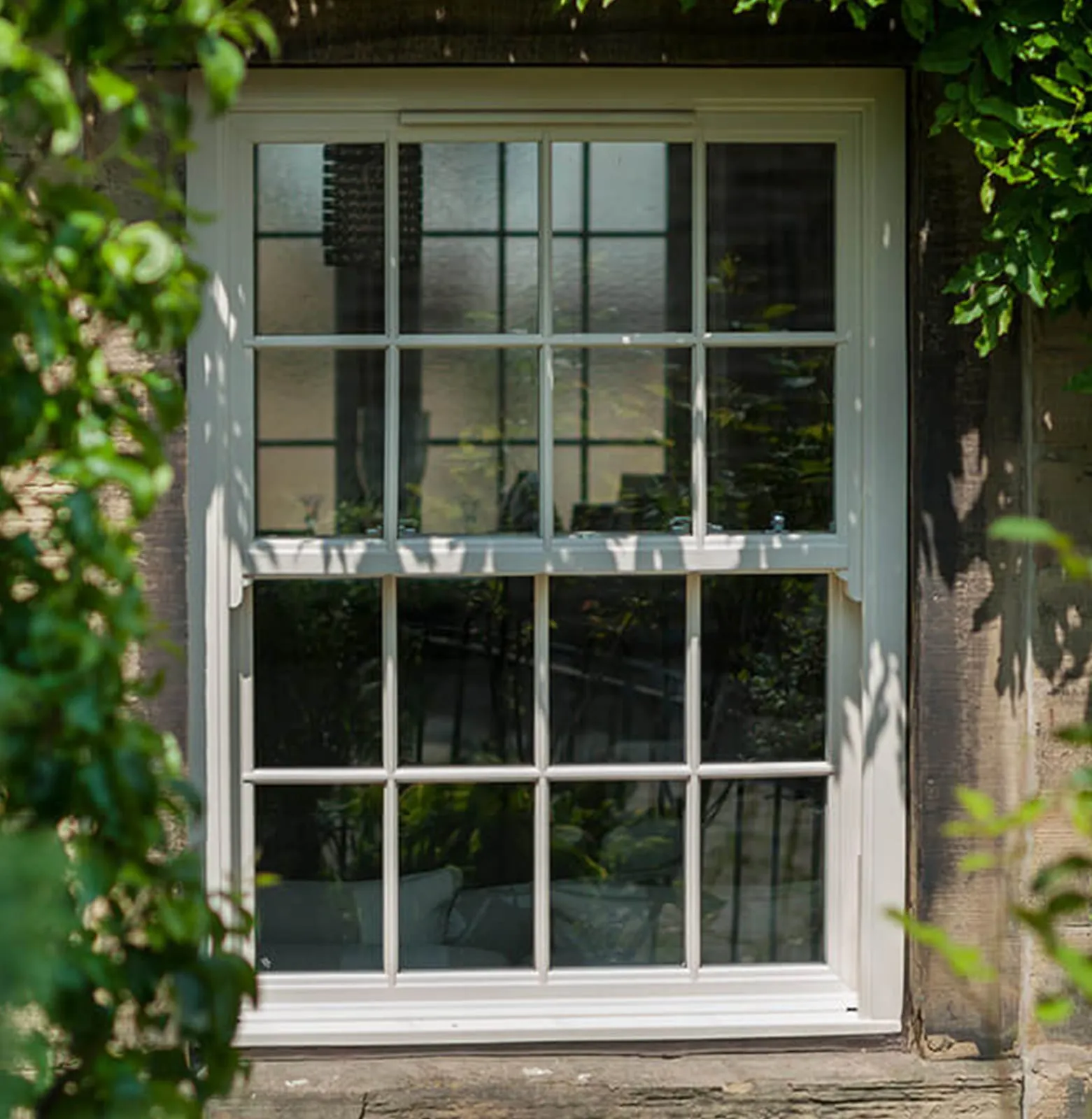
White-painted sash window with glazing bars set in an old wall softened by climbing foliage

Get a quote in one working day

Three fields. No obligation.

Or call +91 80979 88888

Why secondary glazing

Better acoustically than double glazing

A wide air gap between two independent windows damps low-frequency traffic noise better than a narrow sealed cavity.

The original window stays

Nothing on the protected or society-controlled elevation changes, which is often the only way a project gets approval.

Reversible

It can be removed without trace, which makes it viable in a rented flat where replacement is not.

Reduces dust as well as noise

A second sealed line closes the air path that carries Mumbai road dust onto sills and furniture.

What it is

A second, complete glazed line installed inside the existing window, with its own frame, its own seals and its own opening arrangement. The original window is untouched and stays fully operable behind it.

This is different from an insert bonded into the existing frame — see acoustic window inserts for the lighter-weight version of the same idea.

Why the wide gap wins on noise

Acoustic performance between two panes depends strongly on how far apart they are. A sealed double-glazed unit has 12 to 20 mm between panes, limited by what the edge seal can span.

A secondary system has no such constraint. A 100 mm or wider gap can be left between the existing window and the new inner line, and that distance is considerably more effective against the low-frequency end of traffic noise — the part you feel as much as hear, and the part that a sealed unit struggles with.

The second factor is decoupling. Two independent frames do not transmit vibration to each other the way two panes joined by a spacer bar do.

For rooms where this is the whole objective, see soundproof windows.

Where it is the only option

Heritage and protected elevations. Nothing visible from outside changes, and the work is reversible. That is usually what makes approval possible at all — see theatres for the type of building where this comes up.

Society-controlled buildings. Many Mumbai societies require a consistent external appearance. Secondary glazing does not alter it.

Rented flats. Reversible, so it does not require a landlord to agree to permanent alteration.

Operating hotels. Room-by-room installation with no external access and no scaffolding — see hotels.

Condensation, which needs designing

The one technical pitfall. If humid indoor air can reach the cold outer pane, it will condense there.

The principle is that the inner line should be the tighter seal, so indoor air does not readily reach the cavity, and the cavity should have a small controlled vent to outside so any moisture dries outward rather than inward. Getting this backwards produces a permanently misted original window and is the most common complaint about badly installed secondary glazing.

Operation

Secondary units are made to slide, hinge or lift out, so the original window behind still opens. Which arrangement suits depends on the existing window — a casement behind a fixed secondary pane is unusable, so the secondary line has to match how the original works.

What it does not do

It does not fix a rotten frame, and it does not improve the appearance of a failing window — it puts a new window in front of an old one. Where the original is past saving, glass replacement or full replacement is the honest answer.

Common questions

Is secondary glazing better than double glazing for noise?

For noise, usually yes. Acoustic performance depends heavily on the distance between panes, and a secondary system gives a gap of 100 mm or more against the 12–20 mm inside a sealed unit. That wide gap is much more effective against low-frequency traffic noise.

Will secondary glazing help with heat as well?

Somewhat. The trapped air layer slows heat transfer, so rooms are more stable. It does less about radiant solar gain than a coated sealed unit would, because the coating is what handles that — though the secondary pane can itself be specified with a solar-control coating.

Can I still open my existing windows?

Yes. Secondary units are made to slide, hinge or lift out so the original window behind them still opens for ventilation and cleaning. How that works depends on whether the existing window is sliding, casement or top-hung, which we check at survey.

Does secondary glazing cause condensation between the panes?

It can if the inner line is not sealed properly, because humid indoor air reaches the cold outer pane. The fix is making the secondary unit the tighter of the two seals and allowing a small controlled vent to the outside, so the cavity dries to outdoors rather than indoors.

Is secondary glazing suitable for heritage buildings?

It is the standard solution for them. Nothing on the protected elevation is altered, the original joinery stays, and the intervention is reversible — which is usually what a conservation officer or a society committee needs to hear.

Related

Get a quote for secondary glazing

  • Manufacturing since 2007
  • 5,000+ windows installed
  • 219 corporate partners
Call nowWhatsApp